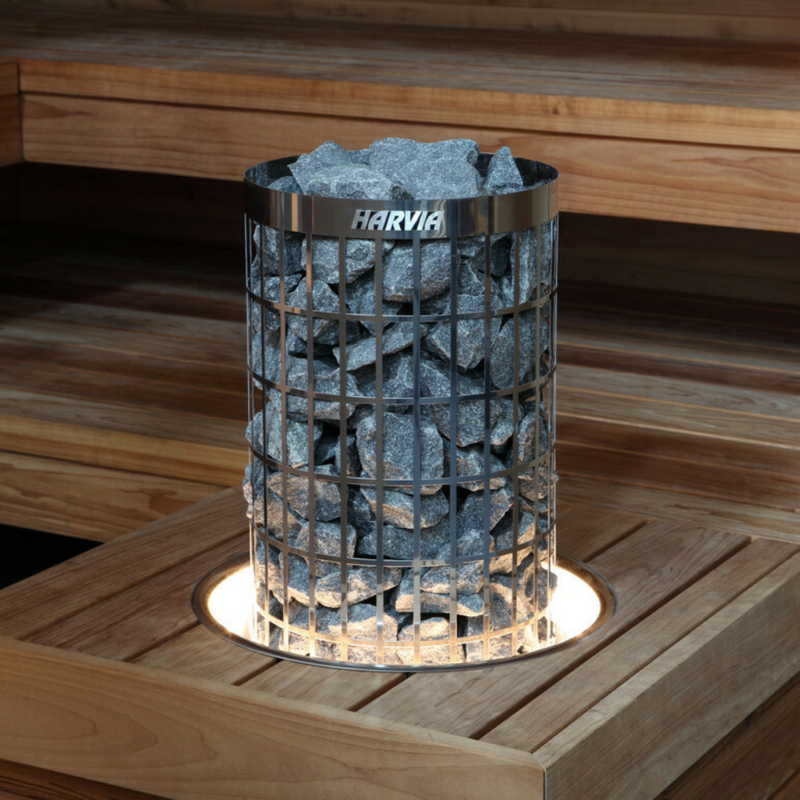
Buyer’s Guide: How to Choose the Right Traditional Sauna Heater
If you’re building or upgrading a sauna, the heater is the single most important decision you’ll make. It’s not just about getting hot, it’s about creating the right kind of heat, the right atmosphere, and the authentic Finnish sauna experience that makes you want to come back session after session.
Choosing the right heater means understanding how different types work, what your space requires, and which features actually matter for your specific situation.
Let’s walk through everything you need to know.
Types of Traditional Sauna Heaters
The first fork in the road is deciding between electric and wood-burning heaters. Both create authentic traditional sauna heat, but they differ significantly in operation, maintenance, and the overall experience they deliver.
Electric Sauna Heaters
Electric heaters use heating elements, similar to oven coils, to heat sauna rocks that sit in a chamber above or around the elements. When you turn on the heater, electricity flows through the elements, they heat, and that heat transfers to the stones.
Once the stones reach temperature, they radiate warmth throughout the sauna and provide thermal mass to create steam.

HUUM Drop 6kW 240V electric sauna heater
Most modern electric heaters operate at 240V and range from 4kW to 18kW, depending on the sauna size. They plug into dedicated circuits and include built-in safety features like automatic shut-offs and temperature sensors.
*Understanding the electrical infrastructure requirements before purchasing prevents costly surprises during installation and ensures your home's electrical system can safely support your chosen heater. Our detailed breakdown of electrical requirements for electric sauna heaters covers circuit sizing, wire gauge specifications, breaker requirements, and whether your existing electrical panel has adequate capacity, critical information for budgeting installation costs and coordinating with licensed electricians.
Top Four Features:
Precise Temperature Control:
Most electric heaters, such as the HUUM series, come with digital or app-based controls that let you set exact temperatures and timers. This precision ensures consistent heat throughout each session and lets you preheat your sauna remotely for convenience.
Quick Installation:
Electric heaters can be wall-mounted or free-standing, which makes them highly adaptable to different sauna layouts. Since they don’t require venting or a chimney, installation is faster and cleaner, especially ideal for indoor or urban settings.
Low Maintenance:
Beyond occasionally checking stones for cracking or deterioration and wiping down surfaces, electric saunas demand little upkeep. There’s no ash to remove, logs to store, or soot to clean. This makes them the most convenient option for frequent users.
Safety Features:
Modern electric heaters include built-in safety mechanisms such as automatic shut-off timers, overheating protection, and child-lock controls. Many also meet UL or CE safety certifications for reliable performance in high-humidity environments.
Pros:
- Electric heaters are convenient and easy to use
- They are heat-predictable and don’t need your constant attention during the sauna sessions
- They’re easy to install and don’t need a chimney
- They can be controlled using timers or apps for a hands-off experience
Cons:
- The electricity costs can get high in the long run
- They lack the ambiance of wood-burning alternatives. There’s no crackling fire, smoke scent, or primal connection to the heat source.
Wood-Burning Sauna Heaters
Wood burning sauna heaters use direct fire to heat stones stacked in a chamber above or around the firebox. You build a fire inside the stove, the flames heat the stones, and once the stones reach temperature (usually 60-90 minutes depending on conditions), you let the fire die down and enjoy hours of radiant heat from the thermal mass.
This is the HUUM Hive Flow wood-burning sauna stove:

These heaters come in various designs. You’ll find options with large stone capacities (100+ lbs), some with vertical fireboxes, and others with horizontal configurations. Most feature stainless steel or heavy-gauge steel construction built to withstand years of intense heat cycles.

Top Four Features:
Authentic Finnish Experience:
There’s something irreplaceable about tending a real fire, watching the flames dance through the stove window, and feeling the radiant heat of wood you chopped yourself. It connects you to sauna tradition in a way that electric heat simply can’t replicate.
Zero Electrical Costs:
Beyond the initial purchase and installation, your only ongoing cost is firewood. For those with property or access to affordable wood sources, this allows you to save on electricity costs for your sauna sessions.
Impressive Heat Output:
Wood-burning stoves deliver powerful, radiant heat that can warm larger sauna spaces more evenly and deeply than similarly sized electric heaters. They thrive in outdoor environments and colder climates, where maintaining a steady temperature is more demanding.
Off-Grid Capability:
No power? No problem. Wood-burning heaters work anywhere, making them ideal for remote cabins, off-grid properties, or situations where electrical infrastructure is limited or expensive to install.
Pros:
- Some users love the meditative practice that connects you to the heat source and the tradition.
- They’re perfect for off-grid or remote areas without electricity
- The crackling fire and flow of flames create a relaxing atmosphere
Cons:
- Wood-burning heaters demand more from you. You need to source, store, and split firewood
- You’ll need to install a proper chimney with appropriate clearances and ventilation, which adds cost and complexity.
- During sessions, you’ll need to tend the fire, manage smoke and drafts, and clean out ash regularly.
Factors to Consider Before Buying a Traditional Sauna Heater
Once you’ve decided between electric and wood-burning, several critical factors determine which specific heater will work best in your space.
1. Heater Size
This is non-negotiable: your heater must match your sauna volume. The general rule of thumb is 1kW of heater capacity per 35-50 cubic feet of interior space for electric heaters.
Wood-burning heaters are sized by stone capacity and firebox volume rather than kW ratings. Manufacturers provide cubic footage recommendations. Be sure to check the specifications or reach out to a sauna expert for personalized recommendations.
2. Location
Indoor saunas require different considerations than outdoor installations.
Indoors, you’re working with existing electrical or ventilation infrastructure, finished surfaces, and proximity to living spaces. Electric heaters generally make more sense unless you’re building a dedicated sauna room with proper chimney infrastructure.
Here’s a Harvia heater inside the Auroom Cala Glass Mini Sauna Kit:

You’ll need adequate ventilation (typically fresh air intake near floor level and exhaust near the ceiling), proper clearances from combustible materials, and flooring that can handle heat and occasional water splashes.
Outdoor saunas, however, offer more flexibility but introduce new challenges. High or fluctuating temperatures may affect heating times and efficiency. For instance, if the heater is heavily undersized, it may struggle to reach full temperature in cold weather. When correctly sized, though, outdoor temperature only affects heating time—which will naturally increase in colder conditions.
Wood-burning heaters handle cold better but require protected wood storage and chimney maintenance in harsh weather. Consider sun exposure, wind patterns, and seasonal temperature swings when sizing and selecting your heater.
3. Build Quality
Sauna heaters endure extreme conditions — think rapid temperature cycling, moisture, and occasional splashes from water thrown on stones. Build quality determines whether your heater lasts 5 years or 20.
For electric heaters, look for heavy-gauge stainless steel construction, quality heating elements from reputable manufacturers, and robust rock chambers.
Control systems should be sealed against moisture and include proper fusing and overload protection. Brands like HUUM, and Harvia build heaters that withstand daily commercial use.
Wood-burning stoves require thick steel or cast-iron bodies to resist warping under intense heat. Welded seams should be clean and reinforced. Door gaskets must seal completely to control airflow. In addition, the firebox should accommodate logs appropriate for your wood supply (12-16 inches).
Lastly, check for UL or ETL certifications. They indicate the heater has been tested for electrical safety, fire resistance, and proper operation under sauna conditions.
4. Control Features
The sophistication you want depends on how you’ll use your sauna. Basic controls include an on/off switch, temperature dial, and manual timer. Digital controls also offer more precision. You can set exact target temperatures, program automatic shut-offs, and preheat your sauna so it’s ready when you arrive home. Some systems, like the HUUM heaters, integrate with smartphone apps for remote operation and monitoring.

Wood-burning heaters have simpler “controls.” You manage heat by adding wood, adjusting the air intake, and monitoring the stone temperature.
5. Energy Efficiency
For electric heaters, efficiency is mostly about insulation and proper sizing rather than heater technology. Well-insulated saunas with proper vapor barriers hold heat better, reducing runtime and electrical consumption. A properly sized heater reaches temperature faster and cycles less frequently. This saves energy compared to an undersized unit running continuously.
Ideally, look for heaters with insulated backs and sides that direct heat into the sauna space rather than through the wall. Some models include reflective barriers or air gaps that improve efficiency. These features matter more in frequently used saunas where small efficiency gains compound over time.
Wood-burning efficiency depends on the combustion design and the user's technique. Modern stoves with secondary combustion chambers extract more heat from each log, reducing wood consumption and emissions. Proper seasoning of firewood (with a moisture content below 20%) dramatically improves burning efficiency and heat output.
Learn to build fires that burn hot and clean rather than smoldering and smoky to save fuel in the long run.
Common Mistakes to Avoid When Choosing a Sauna Heater
1. Choosing the Wrong Heater Type for Your Sauna Size
This is the most common and most consequential mistake. People see a well-priced 4.5kW heater and think it’ll work in their 6-person sauna if they just run it a bit longer. It won’t. An undersized heater never properly heats the stone mass, struggles to maintain temperature, runs continuously (shortening element life), and produces disappointing löyly because the stones never reach proper temperature.
Oversizing causes different problems. A 9kW heater in a small 2-person sauna overheats the air before stones are properly heated, creating harsh, microwave-like heat rather than balanced traditional sauna warmth.
📌Use our sauna calculator to know the right size for your heater.
2. Ignoring Ventilation or Insulation
Even the best heater can’t overcome poor sauna design. Inadequate ventilation creates stale air, uneven temperatures, and moisture problems.
Traditional Finnish saunas require a fresh-air intake (usually under or near the heater) and an exhaust (opposite wall, near the ceiling). This creates circulation that distributes heat and refreshes air without creating drafts.
The same works for insulation. Poor insulation wastes energy and compromises performance. Sauna walls need proper insulation (R-12 minimum for interior saunas, R-19+ for outdoor installations in cold climates) and complete vapor barriers on the warm side. Gaps in insulation create cold spots and condensation problems. Invest in proper insulation before installing an expensive heater.
3. Neglecting Maintenance or Stone Replacement
Sauna stones aren’t lifetime components. Heat cycling causes them to crack and deteriorate, reducing heat retention and creating dust. Be sure to inspect the heating elements and stones and replace them when necessary.
4. Focusing on Aesthetics Over Performance
Beautiful stoves and sleek control panels catch eyes in showrooms, but performance matters more in daily use. A gorgeous heater that takes 2 hours to reach temperature or produces mediocre steam becomes frustrating regardless of appearance. Prioritize proper sizing, stone capacity, and proven performance, then select the best-looking option within those parameters.
Similarly, don’t sacrifice proper placement for aesthetics. Heaters belong where they optimize heat distribution and safety clearances, even if that’s not the most visually prominent location. Function first, form second.
Final Thoughts
Choosing the right traditional sauna heater comes down to understanding your space, your preferences, and your commitment level.
Whatever you choose, prioritize proper sizing above all else. An appropriately sized heater transforms your sauna experience, while the wrong size creates frustration that no amount of features or aesthetics can overcome.
Take time to measure your space accurately, honestly assess insulation and conditions, and use manufacturer resources to select the right capacity.
Beyond the fundamental electric-versus-wood decision, selecting the optimal heater involves evaluating stone capacity, heating speed, control sophistication, and how these factors interact with your specific sauna design and usage patterns. Our comprehensive guide on how to choose the perfect sauna heater for your sauna expands on these considerations, covering advanced topics like multi-room heating, custom stone configurations, and matching heater characteristics to specific wellness goals and session preferences.
FAQs
What’s the difference between an electric and a wood-burning sauna heater?
Electric heaters use electrical heating elements to warm sauna stones and are controlled by thermostats or digital controls. They’re convenient, require no constant attention, and work well in urban settings. Wood-burning heaters use direct fire to heat stones, require active fire management, produce no electrical costs, and create a more traditional, hands-on sauna experience. Both create authentic traditional sauna heat when properly sized and installed.
Can I use a wood-burning sauna heater indoors?
Yes, but it requires proper installation, including a full chimney system with appropriate clearances, adequate combustion air supply, and compliance with local building codes.
Indoor wood-burning saunas need more robust ventilation than electric installations and require professional installation to ensure safety and code compliance. Many municipalities restrict wood-burning appliances, so check local regulations before committing to this option.
Do outdoor saunas need special heaters?
Outdoor saunas don’t require different heaters, but cold climates demand larger capacity to overcome heat loss. A heater adequate for indoor use may struggle outdoors at 20°F. Plan for 1-2kW additional capacity compared to indoor recommendations.
Wood-burning heaters naturally handle outdoor conditions better as they provide more robust heat output.
How do I maintain my sauna heater to extend its lifespan?
Inspect stones annually, replace cracked or deteriorated stones, wipe down surfaces occasionally to remove dust, and verify that the heating elements glow evenly during operation.
For wood-burning stoves, clean the chimney annually (or more frequently with heavy use), replace door gaskets when they no longer seal tightly, remove ash regularly, and inspect the firebox for warping or damage. Both types benefit from keeping moisture off metal surfaces and ensuring proper ventilation after sessions to prevent corrosion.
Are traditional sauna heaters safe to leave unattended?
Electric heaters with built-in timers and automatic shut-offs are generally safe to leave unattended. However, most manufacturers recommend against it and suggest using timers that limit maximum operating time.
Never leave a wood-burning sauna unattended while the fire is active. Wood-fired saunas should only be left once the fire has completely burned out and you’ve confirmed proper airflow. Install smoke and carbon monoxide detectors in all sauna changing rooms and nearby areas regardless of heater type.
Let’s get you a sauna
Need help with your sauna journey?
Book a sauna consultation with one of our US or Finnish based sauna experts.
Leave a contact request
Discuss with us right now? Just call (725) 777-5484