Electric vs. Wood-Burning Sauna Heaters: Which Is Right for Me?
Choosing between an electric and wood-burning heater is one of the most important decisions in your sauna build. Each offers a different experience, from how your sessions feel to how much time and attention goes into preparing your sauna. The right choice is the one that makes you look forward to using your sauna every week.
Let’s compare electric and wood-burning sauna heaters so you can confidently choose the right one for you.
Heater Types Explained
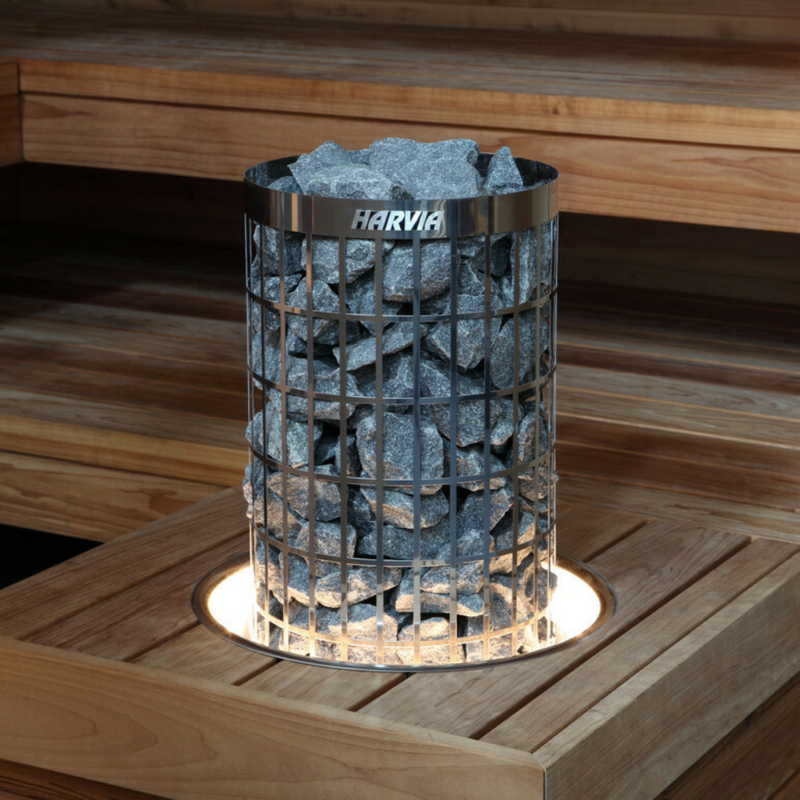
The difference between electric and wood-burning saunas is the heat source. Electric heaters use coils called “heating elements” that get red hot and transfer this heat to the sauna stones and the sauna room. These coils are powered by an electrical line.
Wood-burning stoves use a live fire to heat the stones and room, requiring no electricity. This fire is contained in a firebox that’s surrounded by the sauna stones, transferring heat as the wood burns.
Each option creates a unique experience and sets a different mood for your sauna sessions.
Heater Type Reference Table
| Heater Type | Electric | Wood-Burning |
| Fuel | Electricity | Firewood |
| Experience | Simple, convenient | Hands-on, intentional |
| Heating Time | Typically 30 - 60 minutes | Typically 45 - 90 minutes |
| Ventilation | Passive or mechanical | Passive or mechanical |
| Chimney Required | No | Yes |
| Sauna Location | Indoor or outdoor | Typically outdoor |
| WiFi Capable | Available on select controls | No |
Sauna Experience
Both heater types have their place, but what matters most is how you want to enjoy your sauna.
- Electric Sauna Heaters: Electric heaters are quick, convenient, and easy to use. Many pair with an external controller that gives you precise control over the temperature. Some controllers also offer WiFi connectivity, allowing you to start your heater remotely so your sauna is ready when you are. Electric heaters are a natural choice for indoor and outdoor saunas.
- Wood-Burning Sauna Heaters: Wood-burning stoves offer a traditional experience centered around preparing the wood, building a fire, and tending it as the sauna heats. The process is ritualistic and intentional, with more hands-on preparation before each session. Wood-burning heaters are best suited for outdoor sauna builds.
Choosing your heater type comes down to how you want each session to feel, when you’ll use your sauna, and how much time you’re willing to invest in preparation.
Expert Breakdown
Let Finnish Sauna Expert Anton explain both sides of the electric vs. wood-burning sauna debate.
Heating Times
A good sauna heater does not heat the sauna quickly; it heats it correctly. By gradually heating the stones and sauna room together, you’ll enjoy full-body warmth with stones that are ready to turn a splash of water into gentle steam.
Typical Heating Time Range
- Electric sauna heaters: 30 - 60 minutes
- Wood-burning heaters: 45 - 90+ minutes
Actual heating time depends on the size and construction of your sauna, the heater’s output, the outdoor temperature, and the stones.
While electric sauna heaters still need time to warm up, many can be scheduled or started remotely with a compatible WiFi controller. This way, your sauna is hot and ready to welcome you after work or an intense gym session. Wood-burning stoves must be lit and tended in person.
Don’t Oversize Your Heater
It might be tempting to choose a larger heater so your sauna heats faster, but I promise it’s not worth it. An oversized heater warms the room before the stones have time to reach the right temperature, creating intense radiant heat rather than gentle, full-body warmth.
Properly heated stones help hold a steady temperature and turn each splash of water into gentle steam. Choosing a heater that matches your sauna allows the room and stones to heat together for a more balanced experience.
Ventilation, insulation, glass surfaces, and sauna materials also influence heating time and heater size. Read our Sauna Heater Sizing Guide for a deeper look at choosing the right heater for your sauna.
Ventilation
Your sauna’s heater type has a direct impact on ventilation. Electric heaters work best with mechanical ventilation, but a properly designed passive system can also provide sufficient airflow. Wood-burning stoves work a little differently, with the chimney draft drawing fresh air into the sauna through an intake vent to support the fire.
While this likely won’t change your heater choice, it’s important to know that each option comes with different ventilation requirements.
Find everything you need to know about ventilation in our Guide to Sauna Ventilation.
Which Heater Type is Right for Me?
Choosing the right heater type comes down to what you want out of your sauna. Electric heaters are convenient and consistent. Wood-burning heaters offer an unmatched ambiance powered by natural firelight. It all depends on what you’re looking for, and how involved you want to be.
We offer several models for both electric and wood-burning heaters. Not sure which one is right for you? Give us a call. Our sauna enthusiasts are ready to point you in the right direction. We can’t wait to hear about your build!
Frequently Asked Questions
Q: Is a wood-burning or electric sauna heater better?
A: This depends on what kind of experience you want out of your sauna. If you’re looking for authentic sessions and have the patience to build a fire, wood-burning heaters are supreme. If you want quick convenient sessions, electric is the way to go.
Q: Does a wood-burning heater feel different from an electric heater?
A: The crackle of wood, flicker of firelight, and smell of the smoke are what sets a wood-burning heater in a league of its own. When it comes to heat and steam, you should have the same experience in both electric and wood-burning heaters.
Q: Which creates better steam: electric or wood-burning heaters?
A: Steam quality is a result of your heater’s stone capacity, not your heater type. More stones creates better steam.
Q: Does an electric heater or wood-burning stove heat faster?
A: Electric heaters typically heat much faster than wood-burning stoves. This is because wood-burning stoves often have larger stone capacities and building a fire takes time.
Q: Which sauna heater type is easier to use?
A: Electric heaters are the easiest and most convenient option.
Q: Are electric or wood-burning stoves better for outdoor saunas?
A: Both options are good for outdoor saunas. However, if you’d like a wood-burning stove, an outdoor sauna will be the easiest place to have one.
Q: Can you control and activate an electric heater remotely?
A: Yes, if you choose a controller that’s WiFi capable you can operate your heater through an app on your smart device. This lets you start the heating process remotely so the sauna is ready when you are.
Q: Can you put an electric sauna heater and wood-burning stove in the same sauna?
A: Yes, as long as you respect the safety distances of both heaters. However, if you run them at the same time, the wood-burning stove will likely overpower the electric stove and trigger the safety shutoff.
Q: If you oversize your heater, will my sauna heat faster?
A: No, and we don’t recommend it. An oversized heater makes the sauna room too hot too fast, leaving the stones cold. This takes away the opportunity to create steam and makes the sauna unbearable.
Q: Do wood-burning sauna stoves need electricity?
A: No, wood-burning stoves do not need electricity to operate. This makes them perfect for remote areas and off-grid cabins.
Let’s get you a sauna
Need help with your sauna journey?
Book a sauna consultation with one of our US or Finnish based sauna experts.
Leave a contact request
Discuss with us right now? Just call (725) 777-5484